← All devices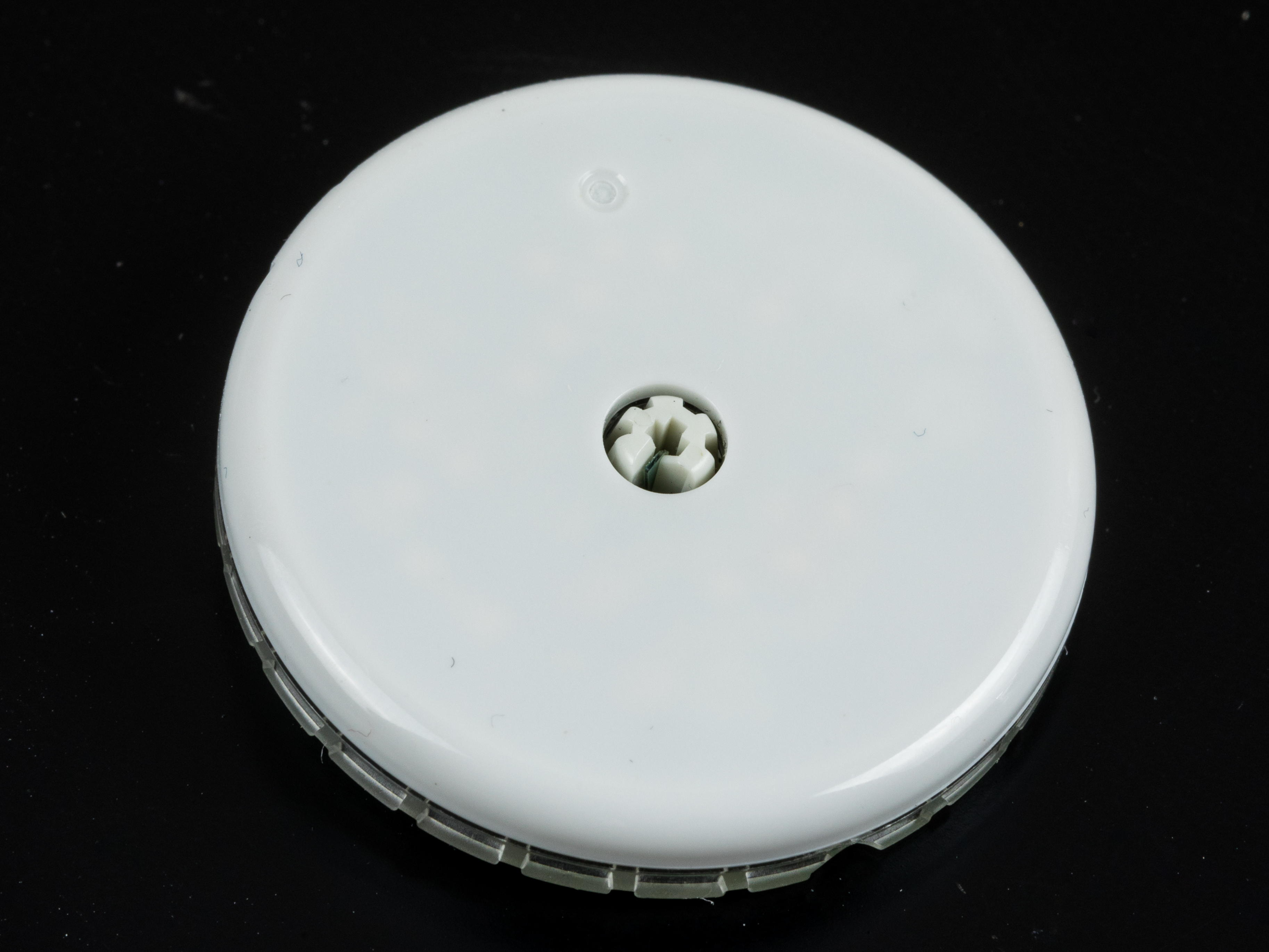
Clinical / medical-grade · Patch / sensor · by Abbott
Abbott FreeStyle Libre 3 / Lingo
Sub-8% MARD continuous glucose with a clinician data hub — and a consumer OTC spin-off.
October 2022FreeStyle Libre 3 (Lingo, Sep 2024)
Late in cycle3 yr 9 mo old
CGM platform — iterates continuously.
API access: Yes — restrictedRaw data access: Yes — restrictedOpen source: Community
Clinical value
90/100
Most accurate 14-day CGM
Empowerment
66/100
Clinician-centric data, Rx gate
Everyday value
58/100
Tiny sensor, single-purpose
A continuous glucose monitor with class-leading accuracy and deep clinician integration through LibreView, but a data model that centers the clinic more than the patient, behind a prescription.
What it measures
Continuous interstitial glucose with ~1-min readings, alarms, and automated-insulin-delivery integration on the medical-grade sensors; Lingo/Rio are consumer metabolic-coaching products.
Regulatory status
Libre 3 Plus: 510(k) iCGM, ages 2+, 15-day wear. Lingo and Libre Rio: OTC CGMs cleared June 2024 for adults not on insulin.
Validation & accuracy
Libre 3 ~7.9% overall MARD — among the first CGMs under 8%. Highest accuracy among 14-day CGMs in trial reporting.
Data control & export
LibreView cloud with clinician dashboards and remote sharing; LibreLinkUp for caregiver sharing; CSV export from LibreView. Export has historically been more manual than Dexcom Clarity.
Wearability & battery
Among the smallest CGMs — a round adhesive sensor on the upper arm, 14–15 day wear. No charging; replace each sensor. Discreet and comfortable for most.
Cost & access
Libre 3/3 Plus by prescription; broadly covered by insurance and Medicare for eligible users. Lingo OTC: $49–$249 depending on plan, not insurance-covered.
Who it serves
LibreView is a powerful clinician-facing hub; the patient's own export and control are a step behind Dexcom.
Who is left out or burdened
Rx gatekeeping for medical-grade sensors; OTC line excludes insulin users; reader-based export is more manual.
✓ Strengths
- Class-leading accuracy (~7.9% MARD)
- Cleared for ages 2+; AID-compatible
- Deep clinician integration (LibreView)
- Broad coverage; OTC Lingo option
✕ Weaknesses
- 2026 Class I recall (incorrect low readings)
- Medical-grade sensors require a prescription
- Data model centers the clinic; export more manual
- OTC line excludes insulin users
90
Why this clinical score. Sub-8% MARD, ages 2+, AID-compatible, deeply integrated into diabetes care — near the top of the clinical axis.
66
Why this empowerment score. Real export and sharing exist, but the data model centers the clinic, export is clunkier, and a prescription stands in the way.
58
Why this everyday score. One of the smallest, most comfortable sensors with no charging, but single-purpose with recurring sensor swaps — modest everyday breadth.
Latest news
Reviews & coverage
Widely regarded as a gold-standard CGM, reviewers praise the tiny sensor, strong accuracy and real-time phone readings, with diabetes communities calling it life-changing. Criticisms center on out-of-pocket cost, occasional sensor failures and region/app fragmentation.
Summary is a draft synthesis of public coverage, not an endorsement. Links open a search of each outlet.
Reddit communities
Independent user communities where this device (or its category) is discussed.
Get it · manuals & support
Draft profile · public-source review, June 2026 · scores describe direction and degree, not buying advice. News, links, and prices change — verify with the manufacturer. Image is representative.