← All devices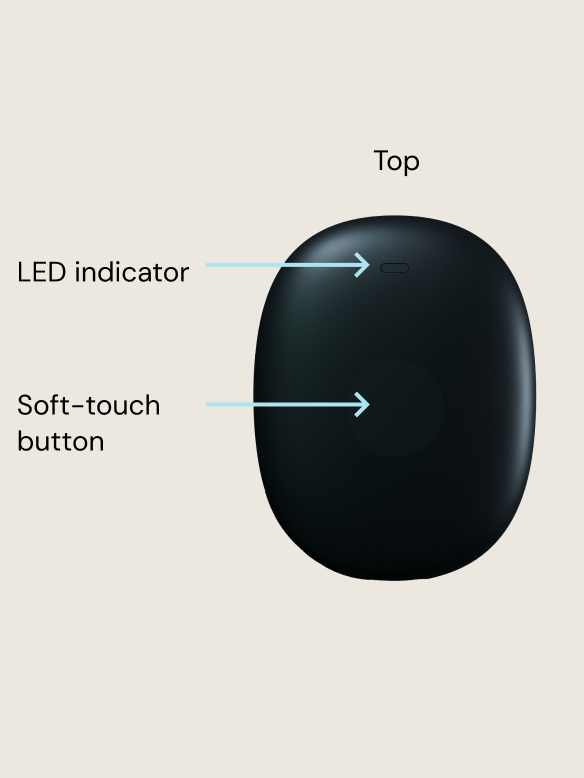
Clinical / medical-grade · Implant · by Senseonics
Eversense 365
The first year-long implantable CGM, PMA-approved — but surgical insertion and calibration gate access.
October 2024Eversense 365
Mid-cycle1 yr 9 mo old
API access: Yes — openRaw data access: Yes — openOpen source: No public repo
Clinical value
85/100
PMA-approved, year-long CGM
Empowerment
55/100
Great sharing, surgical/Rx friction
Everyday value
50/100
Year-long, but implant + transmitter
The only PMA-approved device here and the first 365-day continuous glucose monitor, with the broadest third-party data sharing of any CGM — but it requires in-office surgical insertion, weekly calibration, and a prescription.
What it measures
Fully implantable fluorescence glucose sensor under the upper-arm skin with a removable on-skin transmitter; continuous glucose with alerts and on-body vibration alarms.
Regulatory status
PMA approval — the highest FDA bar. Eversense 365 approved Sept 2024 as the first 1-year CGM (adults 18+); E3 is the 180-day version.
Validation & accuracy
ENHANCE study (prospective, multicenter) showed accuracy through one year with weekly calibration; E3 ~8.7% MARD. Requires periodic fingerstick calibration unlike factory-calibrated rivals.
Data control & export
App displays values and trends, shares to Apple Health and to care team/family, and integrates with Glooko, Tidepool, SNAQ, and SweetSpot — the broadest interoperability of the CGMs.
Wearability & battery
An implanted under-arm sensor (180 or 365 days) with a removable, rechargeable on-skin transmitter. No sensor charging — but the transmitter charges on-body, and insertion/removal is a clinical procedure.
Cost & access
Prescription only; requires a minor in-office surgical insertion/removal by a trained provider. Transmitter ~$1,000 without insurance; most private insurers and Medicare cover part; patient-assistance program exists.
Who it serves
Strong data sharing and interoperability, but the highest access friction: surgery, provider dependency, weekly calibration, and a proprietary transmitter.
Who is left out or burdened
Surgical insertion and provider dependency exclude many; weekly calibration is a burden; Rx gatekeeping.
✓ Strengths
- Only PMA-approved device here; first 365-day CGM
- Broadest third-party sharing (Tidepool, Glooko, Apple Health)
- On-body vibration alerts even without a phone
✕ Weaknesses
- Requires in-office surgical insertion/removal
- Weekly fingerstick calibration
- Prescription-only; proprietary transmitter
- Highest access friction of the CGMs
85
Why this clinical score. PMA approval and a validated year-long sensor are clinically top-tier; sits just below the factory-calibrated CGMs because it needs ongoing calibration.
55
Why this empowerment score. Excellent open sharing to Tidepool/Glooko/Apple Health lifts it, but surgical insertion, calibration, and prescription friction hold the empowerment score mid-range.
50
Why this everyday score. A year between sensor swaps is uniquely low-maintenance, but the implant procedure, weekly calibration, and removable transmitter add friction, and it's single-purpose.
Latest news
Reviews & coverage
Reviewers highlight the unique 6-month implanted sensor and on-body vibration alerts as a break from weekly sensor changes. The barriers are a required in-clinic insertion/removal and a separate wearable transmitter.
Summary is a draft synthesis of public coverage, not an endorsement. Links open a search of each outlet.
Reddit communities
Independent user communities where this device (or its category) is discussed.
Get it · manuals & support
Draft profile · public-source review, June 2026 · scores describe direction and degree, not buying advice. News, links, and prices change — verify with the manufacturer. Image is representative.