← All devices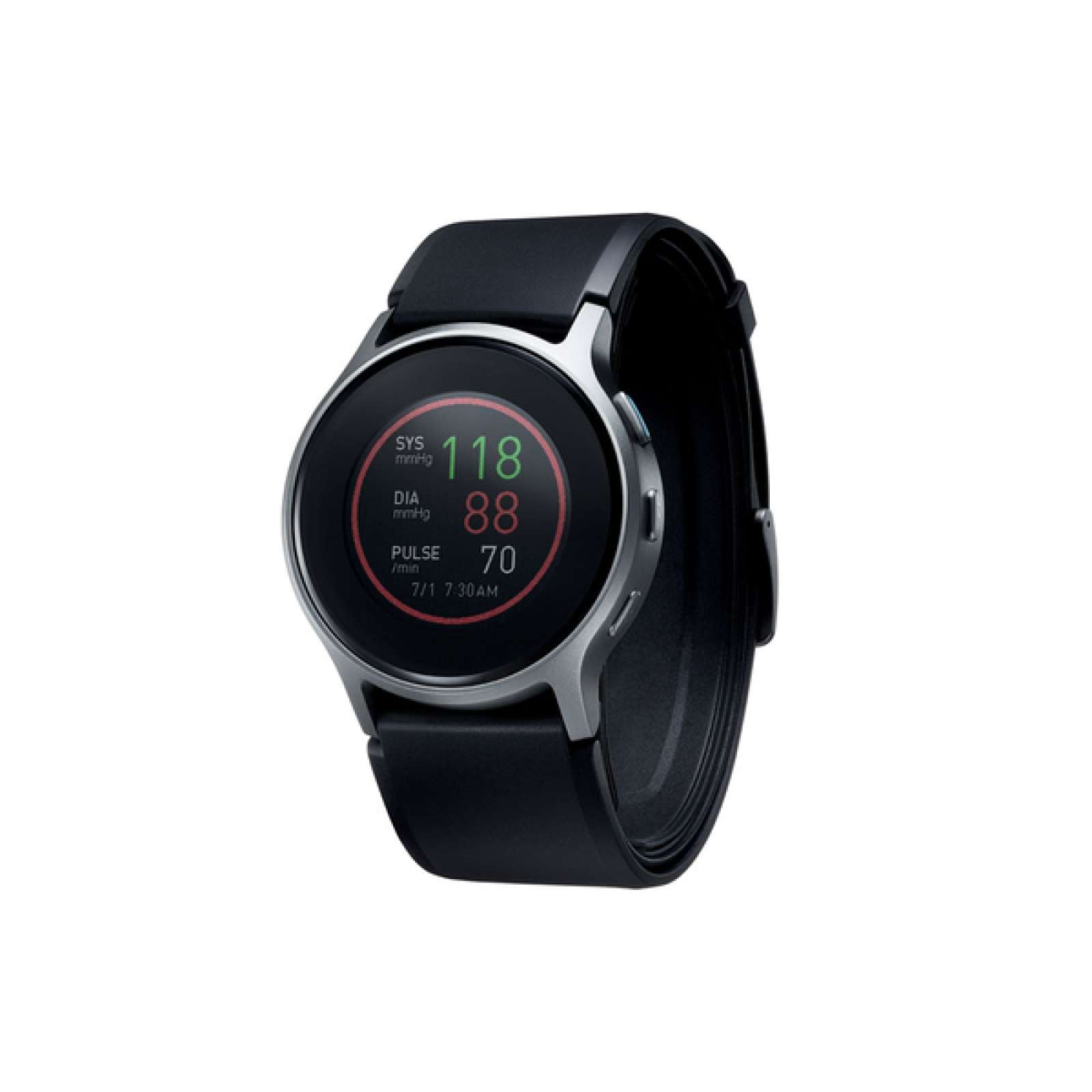
Clinical / medical-grade · Watch · by Omron
Omron HeartGuide
The first FDA-cleared wrist blood-pressure watch — a real oscillometric cuff you can wear, now near end-of-life.
January 2019Omron HeartGuide
Late in cycle7 yr 6 mo old
API access: Yes — restrictedRaw data access: Yes — restrictedOpen source: No public repo
Clinical value
74/100
FDA-cleared oscillometric BP
Empowerment
70/100
OTC, patient-shareable data
Everyday value
40/100
Bulky BP watch, short battery
A wrist blood-pressure watch with a real inflatable cuff and a genuine FDA clearance — clinically validated and patient-owned, but bulky, short on battery, and being phased out without a successor.
What it measures
True oscillometric cuff blood pressure via a thin inflatable cuff in the watch band, plus sleep, activity, and phone notifications. Stores ~100 readings on-device.
Regulatory status
FDA-cleared in the US (510(k), 2019) as an oscillometric blood-pressure monitor — the same regulatory category as clinical arm cuffs. CE-marked in the EU.
Validation & accuracy
Validated to ANSI/AAMI/ISO 81060-2; peer-reviewed studies show reasonable but technique- and position-sensitive agreement with reference devices.
Data control & export
Raw data: restricted — the OMRON connect and HeartAdvisor apps show trends and let you share with a doctor (no fully open CSV). API: restricted — OMRON offers a developer/telehealth API platform.
Wearability & battery
A thick, watch-sized device with an inflatable cuff; you must hold your arm still at heart level to measure. Battery lasts ~2–3 days; limited smart features.
Cost & access
Out of pocket, ~$499, over-the-counter (no prescription). No subscription; generally not insurance-reimbursed.
Who it serves
People who want clinically meaningful, on-the-go blood-pressure readings they can take and share themselves.
Who is left out or burdened
Full self-pay; bulky and short-battery; measurement is technique-sensitive; widely listed as end-of-life with no successor.
✓ Strengths
- FDA-cleared, clinically validated wrist blood pressure
- No prescription — over-the-counter
- Patient-held data with easy doctor sharing
- Real cuff measurement, not an optical estimate
✕ Weaknesses
- Bulky with only ~2–3 day battery
- Measurement is position/technique-sensitive
- Expensive (~$499) and self-pay
- Effectively end-of-life with no successor
74
Why this clinical score. A genuine FDA-cleared, clinically validated blood-pressure measurement — actionable for clinicians — puts it high on the clinical axis; single-wrist technique sensitivity caps it below the CGMs.
70
Why this empowerment score. Over-the-counter with no prescription, patient-held data, and doctor sharing make it fairly empowering; a proprietary app and no open CSV hold it short of the top.
40
Why this everyday score. As an everyday wearable it is bulky, short on battery, measurement-interrupting, and feature-light — a single-purpose medical tool.
Latest news
Reviews & coverage
Reviewers respect HeartGuide as the first watch with a true oscillometric cuff for clinically-styled BP on the wrist. The trade-offs are bulk, short battery and the need to hold still at heart level for readings.
Summary is a draft synthesis of public coverage, not an endorsement. Links open a search of each outlet.
Reddit communities
Independent user communities where this device (or its category) is discussed.
Get it · manuals & support
Draft profile · public-source review, June 2026 · scores describe direction and degree, not buying advice. News, links, and prices change — verify with the manufacturer. Image is representative.